Siren Center Services

Medical Care
Psychiatric Evaluation, Counseling & Therapy
Psychiatric Evaluation, Counseling & Therapy
Choking and strangulation can cause serious, wide-ranging injuries—many of which are invisible at first and may worsen over time. Strangulation affects oxygen and blood flow to the brain and can lead to traumatic brain injury, stroke, neurological damage, and significant psychological harm, even when there are few or no outward signs.
Beca
Choking and strangulation can cause serious, wide-ranging injuries—many of which are invisible at first and may worsen over time. Strangulation affects oxygen and blood flow to the brain and can lead to traumatic brain injury, stroke, neurological damage, and significant psychological harm, even when there are few or no outward signs.
Because these injuries can impact physical health, brain function, thinking, emotions, and long-term safety, it is critical that anyone who has experienced strangulation receive a comprehensive medical and neurological assessment. Early evaluation allows injuries to be identified, treated, and documented, helping to prevent delayed complications, support recovery, and ensure survivors receive the care and protections they need.

Psychiatric Evaluation, Counseling & Therapy
Psychiatric Evaluation, Counseling & Therapy
Psychiatric Evaluation, Counseling & Therapy
Victims of choking and strangulation often experience more than visible physical injuries. . A comprehensive psychiatric evaluation helps identify conditions such as post-traumatic stress disorder (PTSD), anxiety, depression, cognitive changes, sleep disturbances, and emotional dysregulation that commonly follow these events.
Therapy and c
Victims of choking and strangulation often experience more than visible physical injuries. . A comprehensive psychiatric evaluation helps identify conditions such as post-traumatic stress disorder (PTSD), anxiety, depression, cognitive changes, sleep disturbances, and emotional dysregulation that commonly follow these events.
Therapy and counseling provide a safe, supportive space for survivors to process trauma, reduce fear and hypervigilance, and regain a sense of control and safety. Ongoing mental health care is essential for addressing both the neurological and emotional impacts of strangulation, supporting recovery, improving daily functioning, and reducing the risk of long-term mental health complications. Early and continued psychiatric support can be a critical part of healing and long-term well-being.

Medication Management
TMS (Transcranial Magnetic Stiumulation)
TMS (Transcranial Magnetic Stiumulation)
We work closely with a diverse team of health professionals, including psychologists, Licensed Clinical Social Workers (LCSWs), Licensed Marriage and Family Therapists (LMFTs), and Licensed Drug and Alcohol Counselors (LDACs), to deliver comprehensive medication management. This service is tailored for patients currently on medication or
We work closely with a diverse team of health professionals, including psychologists, Licensed Clinical Social Workers (LCSWs), Licensed Marriage and Family Therapists (LMFTs), and Licensed Drug and Alcohol Counselors (LDACs), to deliver comprehensive medication management. This service is tailored for patients currently on medication or those who may benefit from starting it. Additionally, we provide specialized support for individuals transitioning their care to providers experienced in managing the long-term effects of choking or strangulation.
Our program promotes seamless communication across your healthcare team. This collaborative approach ensures everyone involved in your care is well-informed, enabling the effective sharing of essential information to support your journey toward better health.
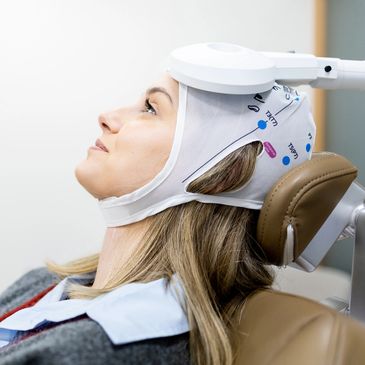
TMS (Transcranial Magnetic Stiumulation)
TMS (Transcranial Magnetic Stiumulation)
TMS (Transcranial Magnetic Stiumulation)
Non-fatal strangulation can cause traumatic brain injury even when there are no visible marks. Pressure to the neck restricts blood flow and oxygen to the brain, which can injure brain tissue in seconds. These injuries are often missed or delayed, yet they may lead to lasting problems such as headaches, memory and concentration difficulti
Non-fatal strangulation can cause traumatic brain injury even when there are no visible marks. Pressure to the neck restricts blood flow and oxygen to the brain, which can injure brain tissue in seconds. These injuries are often missed or delayed, yet they may lead to lasting problems such as headaches, memory and concentration difficulties, mood changes, dizziness, sleep disruption, and increased risk of stroke or seizures.
Early assessment and treatment are critical. Timely screening for TBI helps identify hidden injuries, guides appropriate medical and mental health care, and supports documentation needed for safety planning and legal protection. Evaluating brain health after strangulation is not optional—it is an essential step in protecting long-term health, recovery, and well-being.
Contact Us
The Siren Center
10120 South Eastern Avenue, Suite 130, Henderson, NV, USA
Call or Text (702) 200-3002